

In 2025, Geminor handled waste volumes across Europe, maintaining activity in its core markets while adapting to differing market conditions. Norway and the UK remained the company’s largest markets by volume, while Italy and Poland continued to represent significant parts of the overall portfolio. Volumes were also handled in several other European countries, reflecting Geminor’s continued presence across a range of regulatory and market environments.
Total volumes in 2025 were mainly affected by a 15.2 per cent reduction in RDF compared to 2024. This was driven by milder winter temperatures, lower electricity prices reducing utilisation at waste-to-energy plants, and higher plastic content in RDF. The increased plastic share raised the calorific value per tonne, meaning less material was required to deliver the same energy output. As a result, total volumes decreased from 2,337,546 tonnes in 2024 to 2,142,026 tonnes in 2025.
At the same time, Geminor recorded stable or increasing volumes in more specialised waste streams. Hazardous waste showed the strongest relative growth in 2025, increasing by 21.4 per cent year on year, reflecting Geminor’s continued focus on hazardous waste as a strategic growth segment, supported by rising demand for compliant and traceable treatment solutions.
Solid recovered fuel (SRF) volumes increased by 3.7 per cent, driven by stronger demand from the cement industry, where SRF is increasingly used as part of ongoing decarbonisation efforts. In parallel, reduced downstream capacity for plastic recycling in parts of the European recycling industry has limited the diversion of plastics from mixed waste streams, increasing plastic content in both RDF and SRF. At the same time, volumes of plastic and rubber, as well as paper and cardboard, declined compared to 2024, reflecting constrained recycling markets. This has shifted pressure upstream in the value chain, increasing demands on sorting operations as offtakers face tighter requirements related to fossil content under the EU Emissions Trading System (ETS).
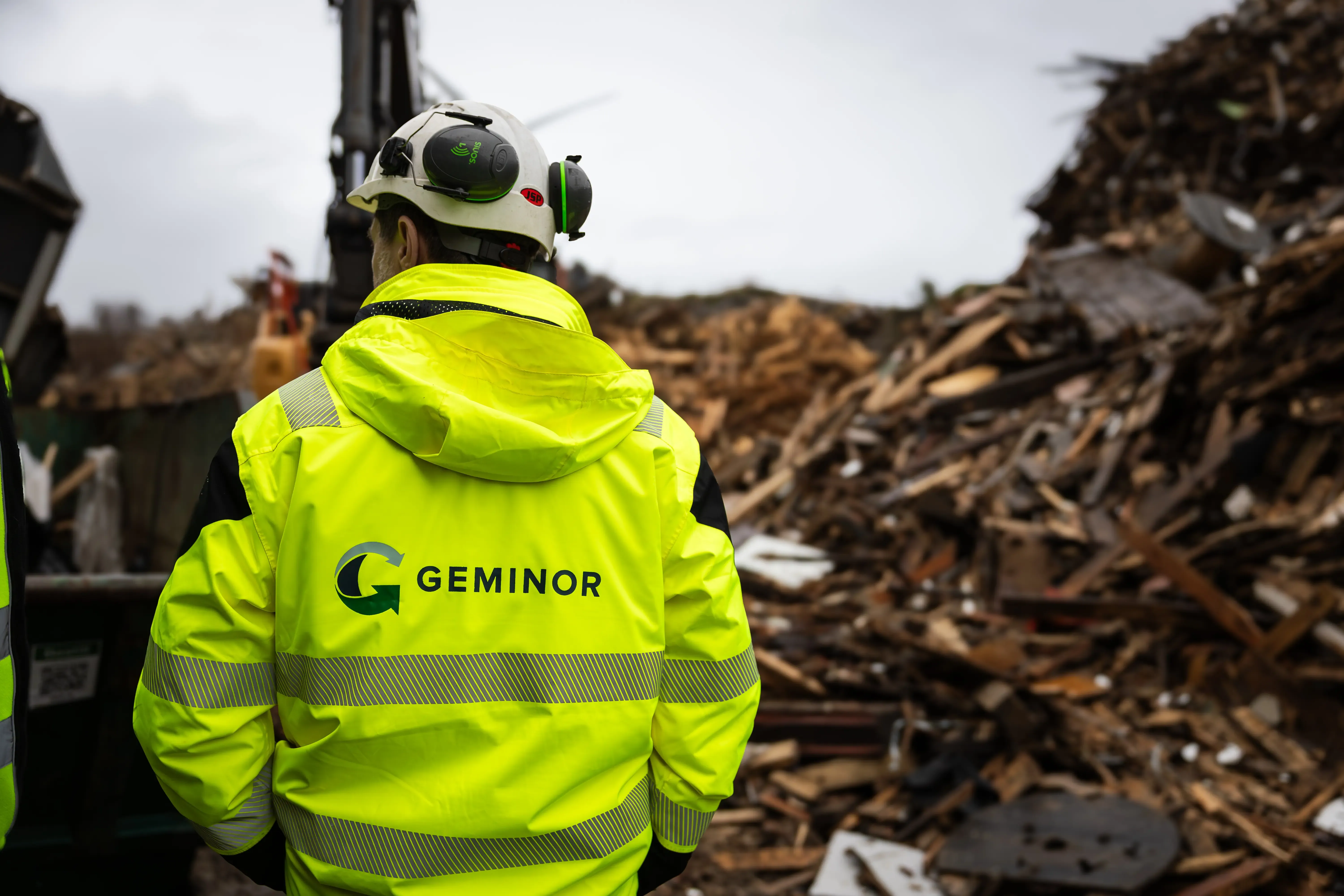
In contrast to the plastics recycling market, the relative maturity of the waste wood recycling market supported more stable volumes in 2025. Waste wood volumes increased slightly compared to 2024, despite challenging conditions across energy recovery and material recycling.
“For Geminor, the objective is, of course, to grow volumes over time, but growth must reflect market realities. In 2025, RDF volumes were lower, while the underlying demand for waste-to-energy capacity remains strong.
Looking ahead to 2026, we see clear signs of improving market conditions. RDF availability is increasing, the outlook for volumes is stronger, and the year has started well. With colder winter conditions and higher demand for waste treatment capacity, we are optimistic about the market environment going forward and expect a higher activity level in 2026,” says Kjetil Vikingstad, Chief Commercial Officer at Geminor.